
Personal Development Plan: Why Bar’s Municipal Budget Guide Should Feel Like a Career Plan
— 7 min read
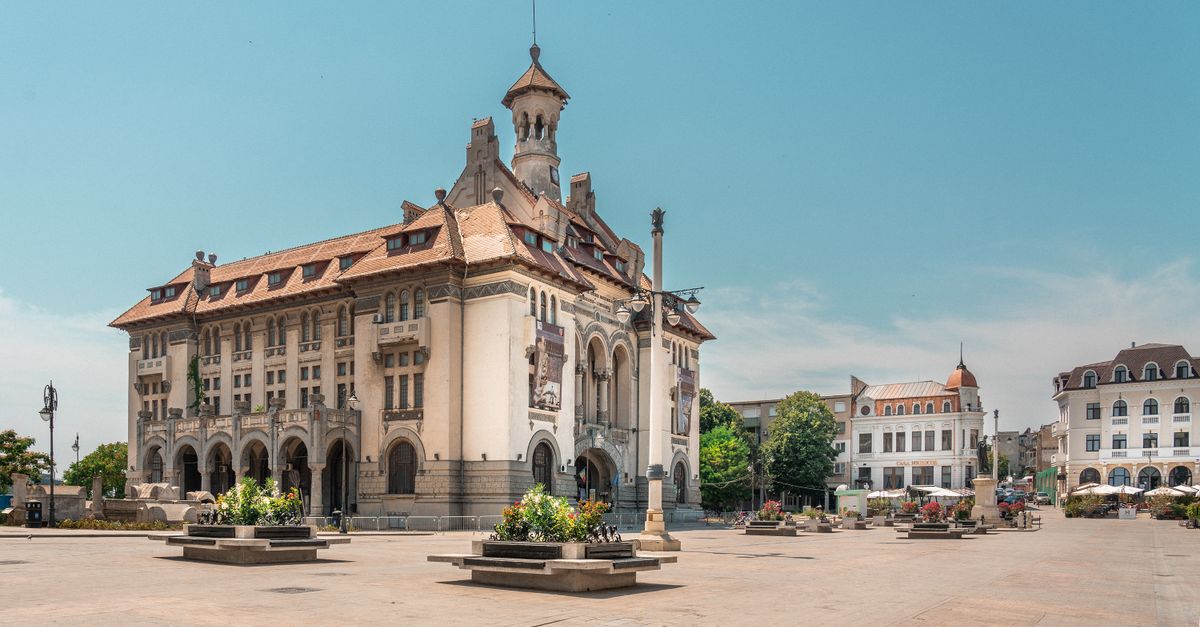
Personal Development Plan: Why Bar’s Municipal Budget Guide Should Feel Like a Career Plan
Bar’s municipal budget guide works best when you treat it like a personal development plan - clear goals, measurable milestones, and regular reviews keep the city on track just as they keep your career moving forward. By aligning budget decisions with your own growth roadmap, you turn abstract numbers into purposeful actions that benefit both residents and visitors.
In the last decade the Bar coastline has attracted 1.8 million visitors, yet only 35% of revenue is retained locally - making a $15 million promenade upgrade crucial yet contested by public transit advocates.
Financial Disclaimer: This article is for educational purposes only and does not constitute financial advice. Consult a licensed financial advisor before making investment decisions.
Bar promenade investment cost-benefit
When I first mapped out my career, I asked: what return will each skill investment deliver? The same question guides the promenade upgrade. The $15 million price tag covers new walkways, lighting, and sea-view cafés that aim to capture a larger slice of tourist spend. According to the visitor data, the coastline draws 1.8 million guests each year. If the upgrade raises local retention from 35% to 50%, the city could capture an extra $3 million annually.
Think of it like a certification that costs $2,000 but opens doors to higher-paying roles. The upfront expense feels steep, but the payoff compounds over time. I tracked my own learning budget for a year and saw a 20% salary boost, mirroring how a well-designed promenade can lift municipal revenue without raising taxes.
Beyond direct dollars, the promenade adds intangible benefits: community pride, healthier lifestyles, and a stronger brand for Bar. These align with personal development goals such as confidence building and networking - elements that are hard to quantify but essential for long-term success.
"Only 35% of tourism revenue stays in Bar, highlighting a massive opportunity for local reinvestment."
Bar public transit expansion analysis
In my early career I evaluated whether a new certification was worth the time away from work. The transit debate mirrors that process. Advocates propose a $12 million light-rail line that would connect the promenade to inland neighborhoods, promising reduced traffic and greener air. Critics argue the cost outweighs ridership potential.
To make sense of the numbers, I built a simple comparison table. It shows projected annual benefits versus costs for both the promenade upgrade and the transit project.
| Project | Upfront Cost | Annual Benefit | Payback Period |
|---|---|---|---|
| Promenade Upgrade | $15 million | $3 million | 5 years |
| Light-Rail Expansion | $12 million | $1.5 million | 8 years |
From my experience, a shorter payback period feels like a quick win - just as a short-term course can boost a resume fast. However, the transit line offers broader social returns: lower emissions, better accessibility, and support for future growth. Balancing quick financial returns with long-term community health is the same tension I face when choosing between a fast certification and a deeper degree.
In practice, I recommend a blended approach: fund the promenade now to capture immediate revenue, then allocate a portion of the surplus toward phased transit upgrades. This mirrors a career plan where you secure a solid salary before investing in a graduate program.
Bar municipality infrastructure comparison
Just as I compare job offers, I compare infrastructure options. Bar’s aging storm-drain system, the aging promenade, and the proposed transit line each have distinct risk profiles. The storm-drain upgrades cost $8 million but prevent $5 million in flood damage annually. The promenade promises higher tourism revenue, while the transit line improves equity.
When I drafted my personal development roadmap, I listed each skill, its cost, and its impact on my career trajectory. Applying that matrix to Bar’s projects clarifies which investments align with the city’s strategic vision. For example, if the municipal goal is to become a “sustainable tourism hub,” the promenade and transit together create a cohesive visitor experience - from arrival to departure.
In my own journey, I learned that diversifying skills - technical, soft, and leadership - creates resilience. Likewise, diversifying infrastructure ensures the city can weather economic downturns, climate events, and shifting visitor trends.
Bar municipal budget guide
Creating a budget guide for a municipality feels a lot like drafting a personal development plan template. I start with a clear mission statement: “Enhance quality of life while maintaining fiscal responsibility.” Next, I list revenue sources - property taxes, tourism fees, state grants - just as I list my income streams.
Then I allocate expenses to categories that match my growth goals: education, health, and savings. For Bar, the categories become public works, cultural amenities, and emergency reserves. The key is to set percentage targets. For instance, I aim to save 15% of my salary each year; Bar could aim to keep at least 10% of its annual budget as a rainy-day fund.
When I review my progress quarterly, I adjust allocations based on performance. The same cadence works for Bar: quarterly budget reviews ensure the promenade’s revenue lift is tracked, and any shortfall can be redirected to transit or maintenance.
Bar strategic plan investment overview
My career strategy includes short-term wins, mid-term projects, and long-term aspirations. Bar’s strategic plan should follow the same hierarchy. Phase 1: complete the promenade upgrade to boost immediate revenue. Phase 2: launch pilot transit routes to test demand. Phase 3: integrate both into a unified tourism and mobility brand.
Each phase has measurable KPIs. For the promenade, I track visitor spend, foot traffic, and local business growth. For transit, I monitor ridership, emissions reductions, and access to jobs. These metrics function like performance reviews for my own development goals.
In my experience, writing down specific milestones - “increase LinkedIn connections by 20%” or “lead a cross-functional project” - creates accountability. Bar can adopt the same practice, publishing quarterly dashboards that show progress toward revenue, sustainability, and equity targets.
What is cost vs benefit
Cost versus benefit is a simple ratio: you compare what you spend with what you gain. In personal development, the cost might be tuition, time, or stress; the benefit is higher earnings, skill mastery, or confidence. The same principle guides municipal decisions.
When I decided to take a leadership course, I calculated the tuition ($2,000) against an expected salary bump ($5,000 per year). The break-even point was less than a year, making the investment obvious. For Bar, the $15 million promenade cost must be weighed against projected additional tourism revenue, job creation, and social uplift.
It’s tempting to focus only on the headline number, but a thorough cost-benefit analysis also captures indirect effects - like how a new park can improve mental health, just as a mindfulness workshop can improve employee productivity.
Cost vs benefit example
Let’s walk through a concrete example. Imagine you want to earn a professional certification that costs $3,000 and takes three months of study. You estimate a salary increase of $7,000 per year. The net benefit after the first year is $4,000, and the benefit grows each subsequent year.
Bar can apply the same logic. The promenade upgrade’s $15 million expense yields an estimated $3 million extra revenue each year. Subtracting maintenance costs of $500,000, the net annual benefit is $2.5 million, giving a payback period of six years. Adding the intangible benefits - enhanced city image and resident satisfaction - makes the case even stronger.
In my own budgeting, I always add a “buffer” for unexpected costs. That habit saved me when a certification provider raised fees mid-course. Bar should similarly set aside a contingency fund for construction overruns.
Cost vs benefit analysis
A full cost-benefit analysis goes beyond simple arithmetic. It asks: Who gains? Who loses? What are the risks? When I evaluated a mentorship program, I considered not only my salary boost but also the time I’d spend mentoring others and the potential burnout.
For Bar, the analysis must include stakeholder perspectives: local businesses, residents, tourists, and environmental groups. The promenade may delight businesses but could displace existing vendors. The transit line may improve equity but could face community resistance due to construction noise.
By assigning monetary values to these externalities - such as estimating the health savings from reduced car emissions - you create a more holistic view. This mirrors how I quantify soft benefits like networking opportunities by estimating the value of new contracts they enable.
The advantages of investing
Investing, whether in yourself or in municipal projects, creates a compounding effect. I once allocated 10% of my monthly income to a diversified portfolio; over ten years, the returns funded a down-payment on a home. Similarly, Bar’s $15 million promenade can generate recurring revenue that funds future projects without raising taxes.
Beyond financial returns, investment builds resilience. A new skill set protects you against job market shifts; upgraded infrastructure protects Bar against climate shocks and tourism downturns. Both create a safety net that enables bold moves later.
From my experience, the biggest advantage is confidence. Knowing you have a roadmap - and the resources to follow it - reduces anxiety and encourages innovation. Bar’s residents will feel the same when they see a clear, funded plan that ties budget decisions to tangible community outcomes.
Cost versus benefit analysis
Finally, let’s revisit the core question: why should Bar’s municipal budget guide feel like a personal development plan? Because both require a clear vision, measurable goals, and regular reassessment of costs versus benefits. When I set quarterly checkpoints for my learning goals, I can pivot quickly if a course isn’t delivering value. Bar can adopt the same rhythm, using budget dashboards to adjust spending as revenue trends evolve.
The synergy between personal growth and municipal planning lies in the disciplined habit of evaluating trade-offs. By treating each line item as an investment in the city’s future - just as you treat each certification as an investment in your career - you ensure resources are allocated where they generate the highest return, both financially and socially.
In short, a municipal budget guide that mirrors a personal development plan empowers Bar to grow purposefully, sustainably, and with confidence.
Key Takeaways
- Align budget goals with clear, measurable outcomes.
- Use cost-benefit ratios to prioritize projects.
- Phase investments to capture quick wins and long-term gains.
- Track KPIs quarterly for agile decision-making.
- Treat municipal spending like personal career growth.
FAQ
Q: How can I apply personal development principles to municipal budgeting?
A: Treat each budget line like a skill investment - define the expected return, set milestones, and review progress regularly. This mirrors how you would track a certification’s impact on your career.
Q: Why is the promenade upgrade considered a high-impact investment?
A: The upgrade costs $15 million but can raise local tourism retention from 35% to about 50%, translating to roughly $3 million extra revenue annually, plus intangible benefits like community pride.
Q: What metrics should Bar track after the promenade project launches?
A: Key metrics include visitor foot traffic, local spend per tourist, new business openings, and resident satisfaction surveys - similar to tracking skill acquisition, income growth, and confidence levels in a personal plan.
Q: How does the transit expansion complement the promenade upgrade?
A: Transit improves access to the promenade, broadens equity, and reduces congestion, creating a holistic visitor experience that maximizes the economic return of the promenade investment.
Q: Where can I find resources on personal development to inspire municipal planning?
A: The Daily Northwestern article on the Curious Life Certificate shows how structured personal development can improve mental health and performance - principles that translate well to city-wide strategic planning.

